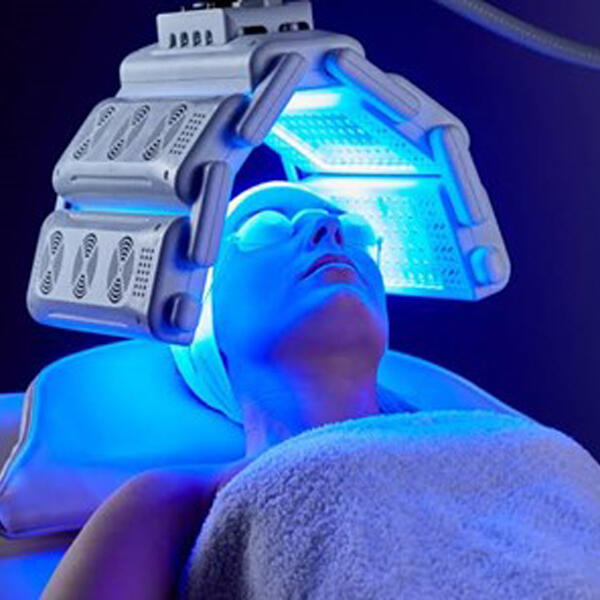
Light based treatment for sun damaged skin and actinic keratoses
Dermal therapy treatments
An alternative to messy medicated creams or cryotherapy freezing
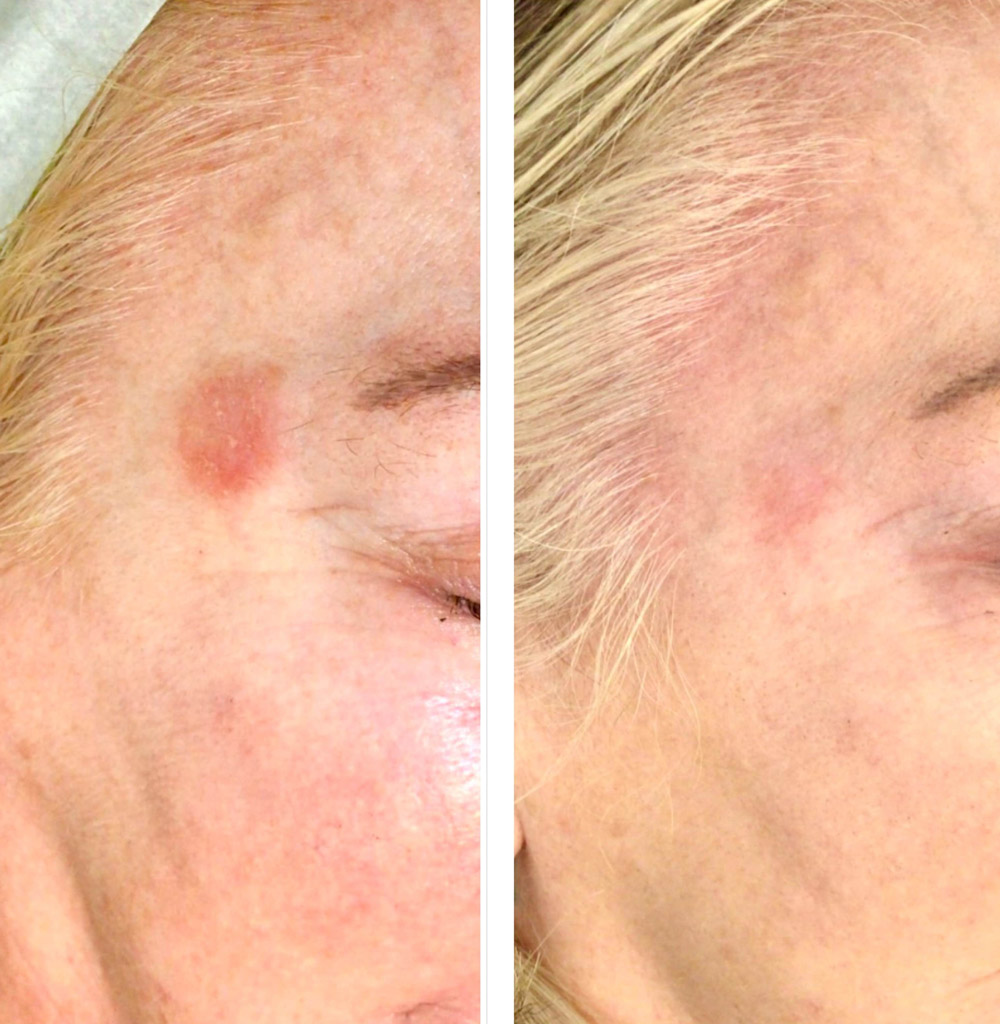
Photodynamic Therapy at Geelong Veins Skin & Laser is a medical-grade light treatment used to target sun-damaged skin, precancerous lesions (actinic keratoses), and certain skin cancers.
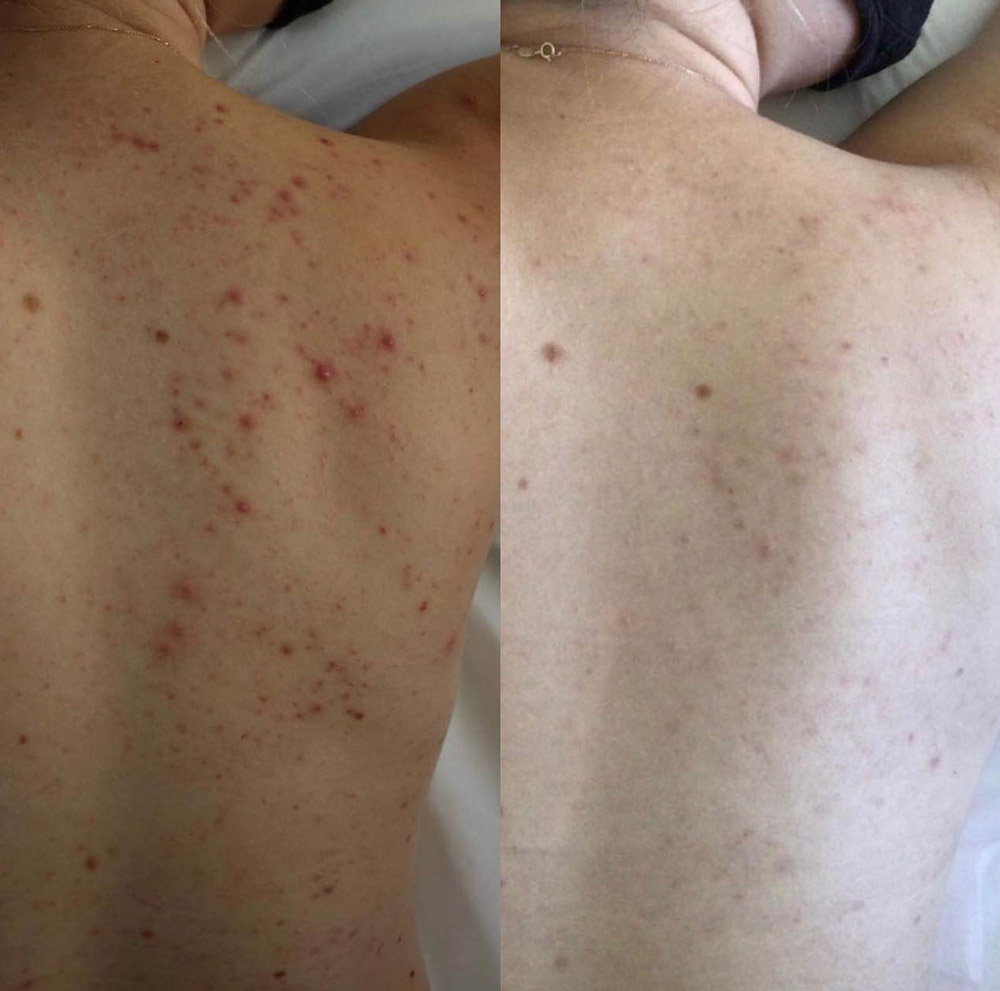
PDT can also be used to treat inflammatory acne and improve overall skin clarity in selected cases.
This treatment combines a light-sensitising medication with specific wavelengths of light to selectively target abnormal skin cells while preserving healthy tissue.
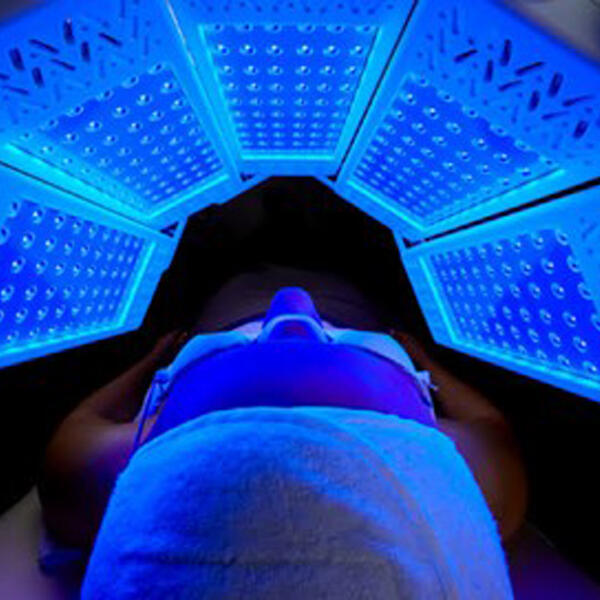
How Photodynamic Therapy works
PDT involves the therapist applying a medicated solution to the skin’s surface. An incubation period occurs from 1-4 hours. The solution is selectively absorbed into sun damaged, pre cancerous and cancerous skin cells. A blue and red LED light is then applied that activates the solution to selectively kill the abnormal cells.
Who is it for?
- Patients with areas of sun damage on the face, hands, forearms, legs
- Patients with areas of actinic keratoses
- Patients with small skin cancers that have contraindications or concerns with surgical removal
- Patients with acne that want a treatment without oral medications
Preparing for your appointment
You will be booked to see the dermal clinician for a PDT prep appointment at least 2 weeks prior to PDT. All pre care will be explained in detail. You will need to use a specific cleanser and skin cream to prepare the skin in the treatment area.
Post-treatment guidelines
Immediately after PDT you must avoid all sun exposure for 24 hours and return home with a hat/face shield/gloves.
After PDT your treated area will be red, mildly swollen and sometimes peel or react like a sunburn. Most patients will require time off work, up to 1 week. A medical certificate can be provided. You will need to have a review with our doctor 2 months post PDT to check all lesions are cleared.
Is PDT painful?
When the red and blue light is applied to the skin the patient can feel some pain. Settings range from 1-5 and you can stop if the pain is too intense. A fan and cooling spray can assist.
Does PDT need to be repeated?
After 1-2 years PDT may need to be repeated. To avoid or delay the need for further treatments you should be diligent with sunscreen and sun protection.
Why Choose PDT at Geelong Veins Skin & Laser?
- Doctor-led clinical environment
- Medical-grade photodynamic therapy protocols
- Used for both medical and dermatological conditions
- Integrated care across skin cancer and dermal therapy teams
- Evidence-based treatment planning
How much does PDT cost?
Cost varies depending on the size and number of areas being treated, and whether the treatment is for a medical concern such as actinic keratoses or skin cancer, or a cosmetic concern such as acne. Your dermal clinician will provide a personalised quote at your preparation appointment.
Is PDT covered by Medicare?
Unfortunately PDT is not covered by any medicare rebates.
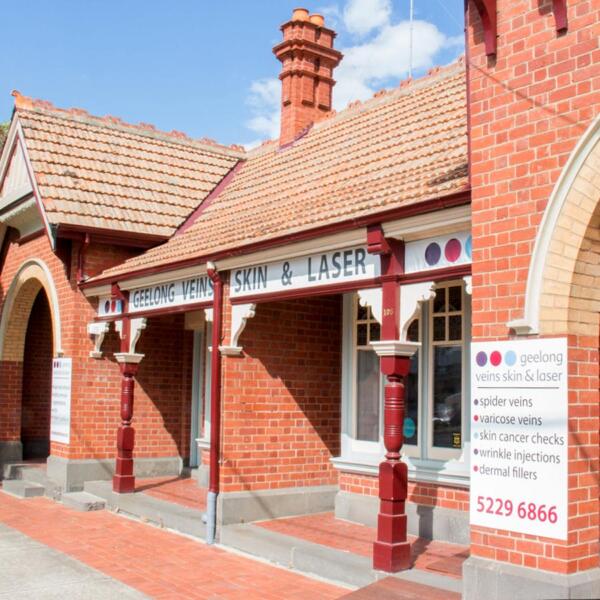
The GVSL difference
At Geelong Veins Skin & Laser we provide complete care of you as a patient and your medical concern. You may see one, or several of our team in any consultation. We work together with expertise in general practice, radiology, vein specialties, dermal therapy, skin cancer medicine, vein / skin and cosmetic nursing to provide you with a treatment plan that will lead to safe and effective results.





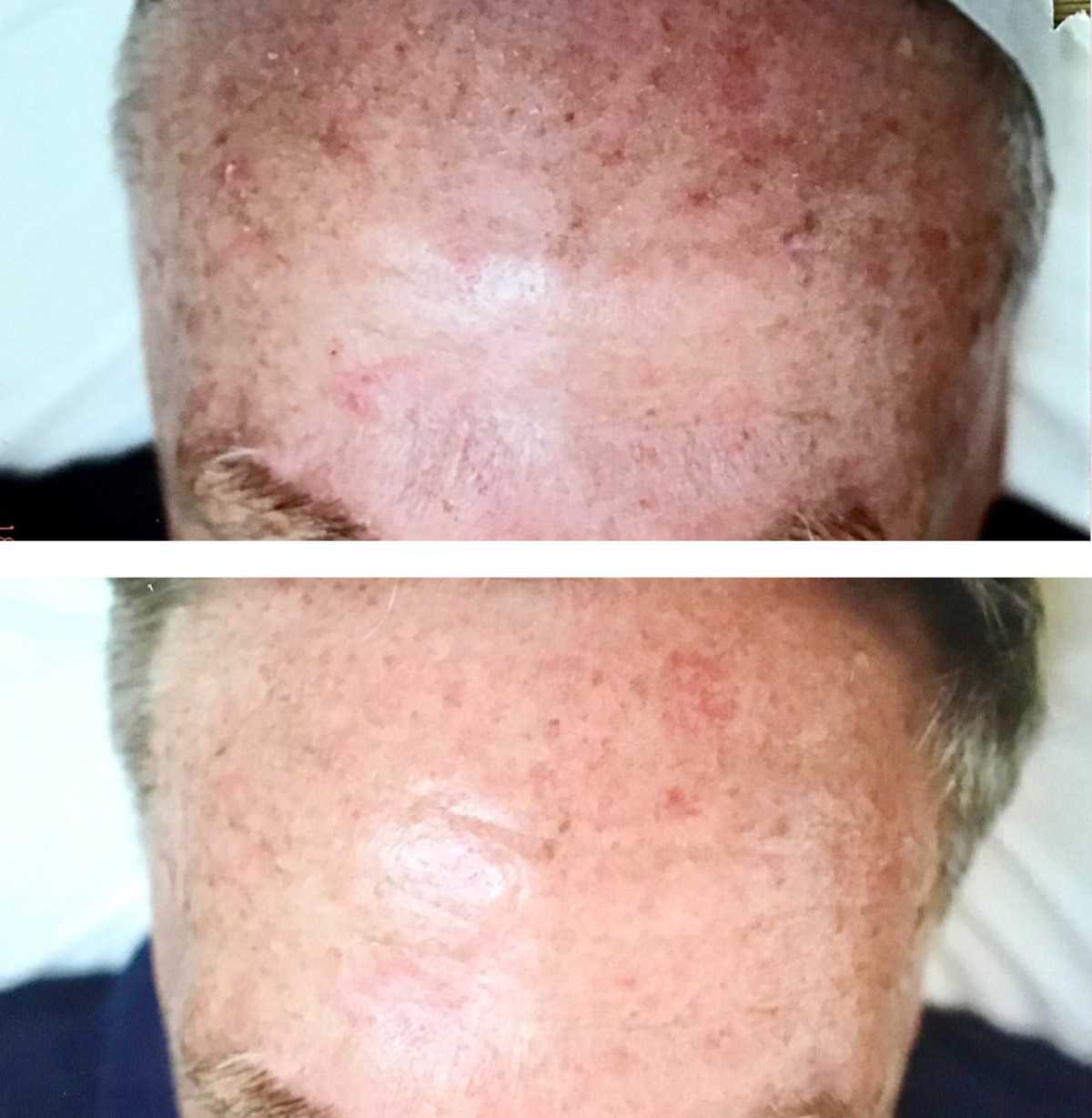
All before and after photos are displayed with specific patient consent. Results may vary, discuss your individual needs with your health practitioner.
Geelong Veins, Skin & Laser
Not sure where to start?Book a skin analysis or test patch appointment with one of our dermal clinicians.